
Tree work changes a site fast. During commercial tree removal, a facilities manager must know who can enter, where, and when. Machines arrive, work zones move, branches and timber are handled, and people who don’t need access may be near the job. Security isn’t only about theft after dark. It’s about keeping the right people in the right place while the work is under way.
A clear plan protects the crew, site users, equipment and the area around the job. It also gives one clear answer to a basic question: who may use this gate, and when? High-value machines and stored timber need to be counted in the plan.
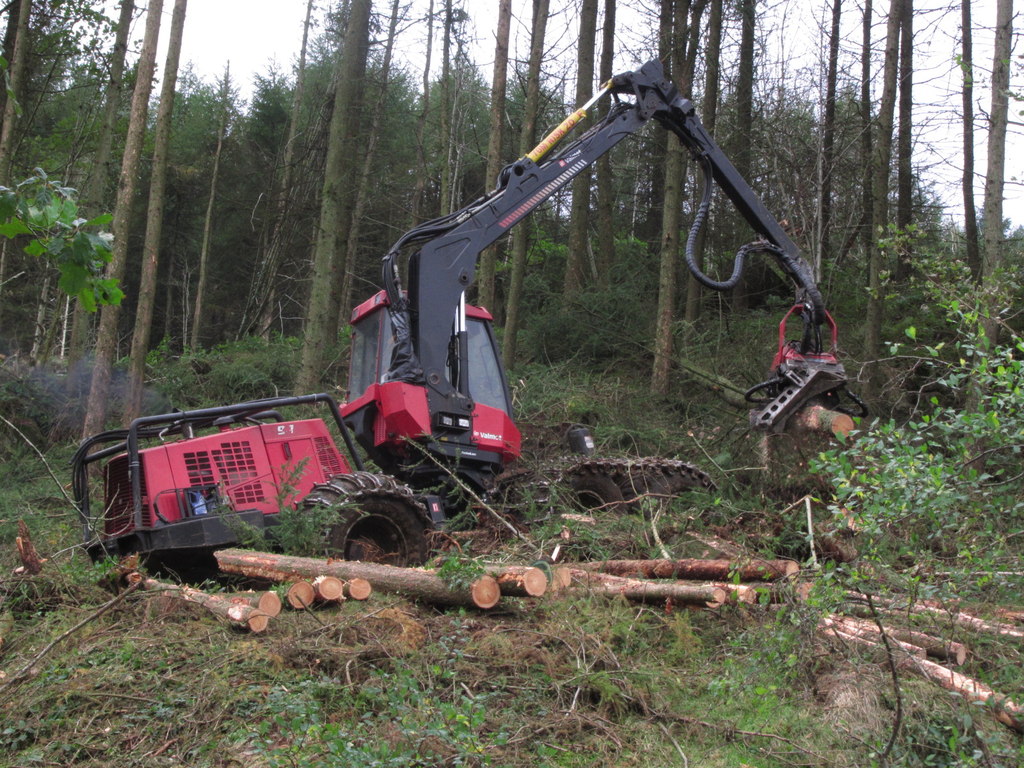
Start with a site security plan
Set security before work begins, not after the first machine is on site. Walk the area and note the entrances, public routes, nearby properties, storage space and any parts of the site that must stay in use.
The plan should show:
- which gates and routes workers, deliveries and visitors will use;
- where the no-go zone starts and who can enter it;
- where machines, fuel, tools and timber will be kept;
- who holds keys, controls access and is the out-of-hours contact; and
- what changes when the crew leaves for the day.
For larger sites, put the plan on the site map and share it with the contractor, security team and the person who opens up. A gate left open because nobody knew who was in charge isn’t a security system. It’s an invite. If the site needs cover when the crew is gone, a night security service can be part of the plan.
Control the boundary while work is underway
The first job is to separate the work area from people who have no reason to be there. Fencing, locked gates and temporary barriers make a clear line. They also guide staff, visitors and deliveries through the right route instead of around the back of a live work zone.
Check the perimeter at the start of the day, after a delivery and before the team leaves. A fence can shift, be damaged by weather or be opened for access. It only works if it’s still where the plan says it should be. Access controls keep people away from active cutting and handling while the job is under way.
The same is true on commercial tree felling jobs near public footpaths, car parks or occupied buildings. The access route needs checking all day as the work moves.
Temporary barriers are useful around stored equipment and the main work area. They make the boundary harder to cross by chance and give the site team time to challenge someone who shouldn’t be there.
Tree work can involve valuable machines, power tools and mobile equipment. Leaving them unattended without a plan creates avoidable theft, vandalism and disruption the next morning.
The right choice depends on the site. Small tools may be removed at the end of the day. Bigger machines may need a locked compound, secure store or physical measures that make unapproved movement harder. Keep a list of what has been left, where it has been left and who can access it.
Don’t treat timber or waste as invisible just because it isn’t a machine. It can block a route, draw unwanted attention or be moved into a bad spot. The end-of-day check should include the equipment, the material left on site and the state of the boundary around both.
Use lighting and monitoring where the risk justifies it
Lighting makes a site easier to check and less tempting to casual intruders. It’s most useful around gates, storage areas and routes where someone needs to move safely after dark. Motion-activated lighting can give visibility without leaving every part of the site lit all night.
CCTV or other monitoring can add another layer where equipment is left overnight or the site has a known theft risk. Cameras work best when they cover the access points and storage areas that matter, not when they’re fitted as a token with obvious blind spots. Check that the system works before it’s needed.
On a higher-risk site, an out-of-hours contact, patrol or security presence may be right. That choice should reflect the value of what is on site, how open the location is and how long the work will run. It’s a sensible response, not a default for every tree job. A written site visit, agreed programme and handover make it easier to keep access and duties clear.
Keep people, neighbours and the environment in view
Site security is also about stopping the wrong person from entering the wrong place at the wrong time. Make sure workers know the access rules and understand how visitors, deliveries and nearby occupiers will be managed. Review the plan if the work zone moves or a new phase starts.
The work area should protect the surroundings as well as the equipment. This includes controlling access around existing vegetation and avoiding needless disturbance to the wider site. The relevant site and work rules should be clear before work starts, not found after a boundary has been crossed.
A practical end-of-day checklist
Before the crew leaves, use a short, repeatable check:
- Gates, fencing and barriers are in place and secured.
- Tools, machines and fuel are removed or stored as agreed.
- Equipment and material left on site have been counted.
- Lighting, cameras or alarms covering storage areas are working where provided.
- Public and site-user routes are clear, or their limits are still clearly marked.
- The out-of-hours contact knows what is on site and how to respond to a problem.
The same discipline helps the next morning. Check the boundary, inspect the store and confirm the site is ready before work starts again. For the wider setup of a commercial tree removal job, see what site managers need to know about commercial tree surgery and our guide to site clearance for construction. If you’re working with a commercial tree surgeon, make sure the access plan is clear before the first lift.
Sources: HSE tree work guidance. National treework standards: prepare and maintain a safe treework site. UKFISA: taking responsibility for tree work and staying safe. Clearway: construction site security.
Common questions
- What should be secured on a tree-work site overnight?
- Account for tools, machines, fuel, timber and waste left on site. Depending on the job, remove smaller tools or use a locked compound, secure store and physical measures that limit access to larger equipment. Check the perimeter before leaving.
- How do you control access during commercial tree work?
- Set a clear boundary with fencing, gates and temporary barriers. Agree worker, delivery and visitor routes before work starts, then check the plan as the work zone moves. The goal is to keep unapproved people away from active cutting, handling and storage areas. For commercial tree felling, keep the same checks in place near public paths and occupied buildings.
- Do commercial tree-work sites need CCTV or security guards?
- Not every site does. The choice depends on the value of equipment left on site, how open the location is, the length of the job and the known theft risk. Lighting, CCTV, an out-of-hours contact or patrols can be added where the risk justifies them.
- What should facilities managers check before the tree-work crew leaves?
- Confirm gates, fences and barriers are secure; tools and machines are removed or stored as agreed; equipment is counted; monitoring is working where provided; public routes are clear or marked; and the out-of-hours contact knows the plan.
- How often should site-security arrangements be reviewed?
- Review them whenever the site layout, working hours, equipment on site or access arrangements change. Regular checks of fencing, gates, barriers, storage and other controls can find weak spots before they become a bigger problem.
- Who should be responsible for site access and key control during tree work?
- Assign one named person or role to hold keys, control access and act as the out-of-hours contact. This avoids gaps such as gates left open because another person was meant to lock up. Record this in the security plan and share it with the contractor, security team and the person opening up.
- How do we adapt security as the work zone moves during the day?
- Treat the boundary as dynamic. Recheck and move fencing, gates and temporary barriers as the work shifts; confirm that worker, delivery and visitor routes still match the plan; and watch access points near public paths, car parks and occupied buildings all day.
- What practical steps reduce overnight theft risk without hiring guards?
- Use locked compounds or secure storage for larger machines, remove smaller tools, keep a list of what is left and where, and use targeted lighting and CCTV at gates and storage areas. Motion-activated lighting and working cameras aimed at access points give strong deterrence at modest cost.
- How should timber and waste be managed from a security standpoint?
- Include them in the plan and end-of-day checks. Timber and waste can block routes, draw unwanted attention or be moved into unsafe places. Keep them inside the secured boundary, don’t create new access issues, and count them along with equipment.
- When is a higher security presence (patrols or guards) justified?
- Consider it when valuable equipment stays on site, the location is open, the project runs for a long time, or there’s a known theft risk. It should be a measured response used where the risk level calls for it, not a default for every tree job.
Got a tree that needs work?
We review the situation. We give you a fixed quote. No hidden costs. What we quote, you pay.